
Words: Mike Ryan
Photos: Bonhams
In December, 1978, a moment in history was made when 182 competitors in a motley assortment of cars, 4x4s, trucks and motorcycles set off under the shadow of the Eifel Tower on an epic adventure. Almost three weeks and more than 10,000kms later, less than half of those starters arrived in Dakar, the capital of Senegal. This was the first Paris-Dakar Rally, and one very special Toyota LandCruiser was part of it.
It's an iconic event today, but back in 1979, the Paris-Dakar was more of a curiosity than anything else. Cross country rallies were nothing new, but a ‘rally raid’ of this magnitude was rare. From central Paris, competitors in what was called the ‘Oasis-Paris-Dakar’ made their way south to Marseille on the Mediterranean coast, then via ferry to Algiers in Algeria, where the rally raid really began.
Heading deep into the Sahara, competitors crossed the Algerian border into Niger, then headed west on a zig-zag route through Mali and Upper Volta, before finishing at the Senegalese capital of Dakar on the Atlantic coast. Of those 182 starters, only 74 reached Dakar – an attrition rate of almost 60 per cent. Most of the retirements were due to mechanical breakdowns in the heat and endless sand, but just as many got lost in the pre-GPS days when a compass was essential to plotting your course.
The inaugural Paris-Dakar didn’t separate the car and bike categories, so Cyril Neveu won on his Yamaha XT500, with the rest of the podium made up of riders, too. The best-placed car was a Range Rover in fourth overall.
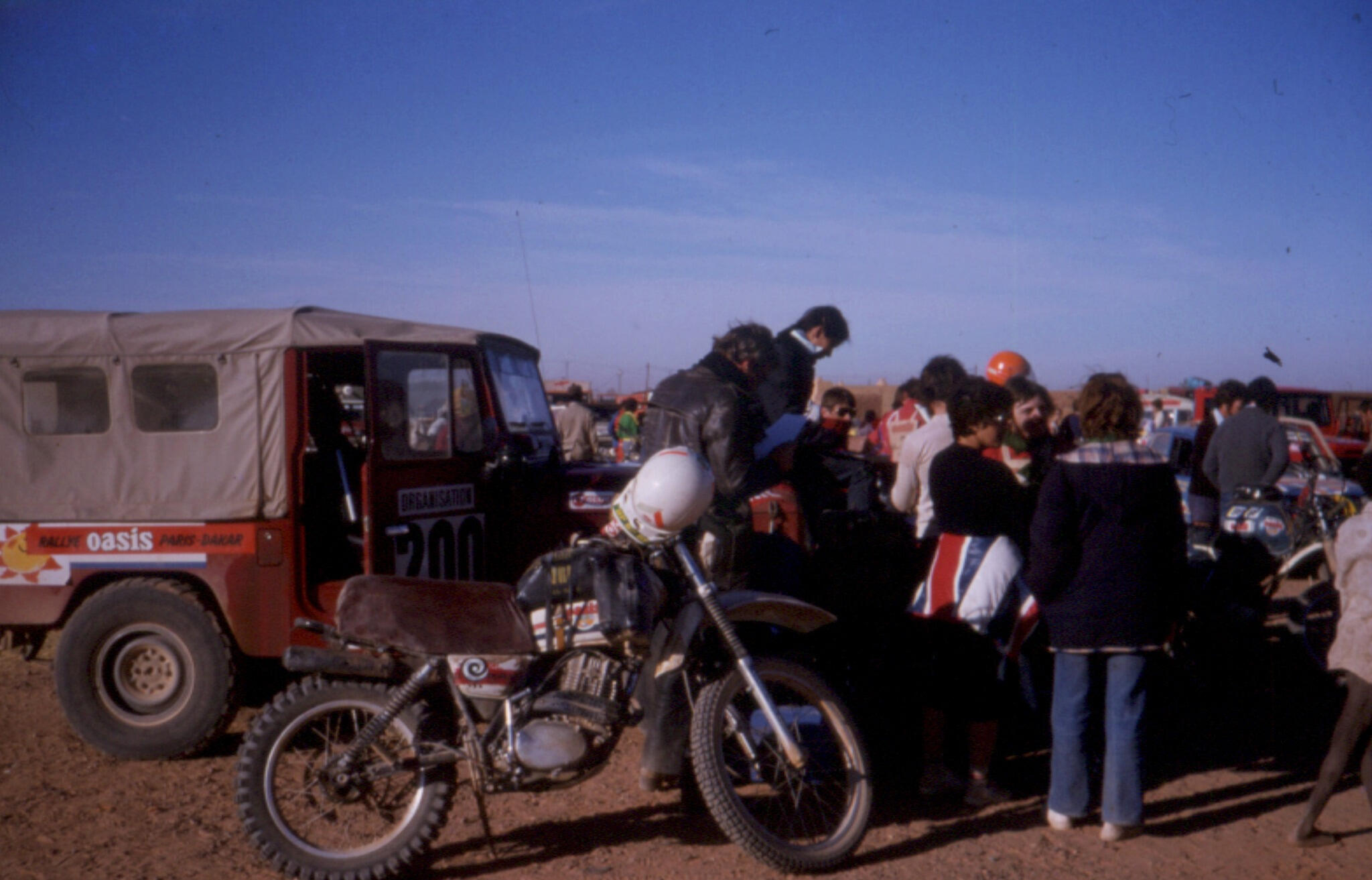
Most of the riders were on Japanese bikes, particularly Yamaha’s XT 500 and the Honda XL 250S. Of the four-wheel entries, Range Rovers and Land Rovers were well represented, as was the Jeep-like Fiat Campagnol. There was a surprising number of French-made passenger cars, like the Renault 4, Peugeot 504 and Citroen DS, that seemed ill-advised for the harsh terrain. The inaugural Paris-Dakar also saw 20 Toyota LandCruisers enter. One of those – emblazoned with entry #200 – wasn’t there to win the rally, rather to lead and control it.
Thierry’s Trailblazer
The Paris-Dakar was the child of Thierry Sabine, born from his experience on the Abidjan-Nice Rally (aka the Rally Côte-Côte) in 1977. Back then, Sabine was on a motorcycle and got lost in the Ténéré desert. Surviving three days without fuel, food or water before he was rescued, Sabine drew from that ordeal to conceive what would become the Paris-Dakar: "It is an experience that I wouldn't wish on my worst enemy, but I will never regret it".
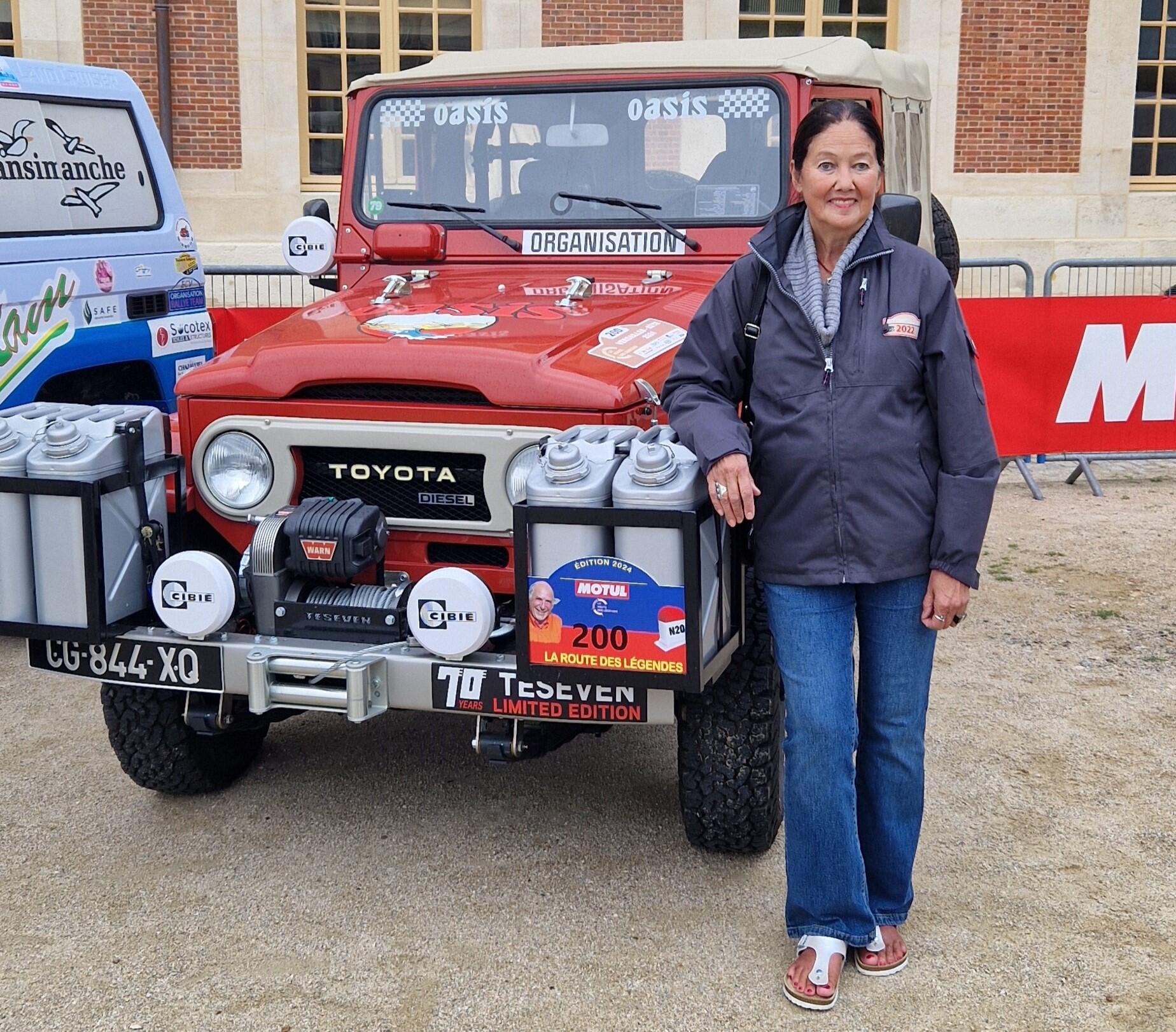
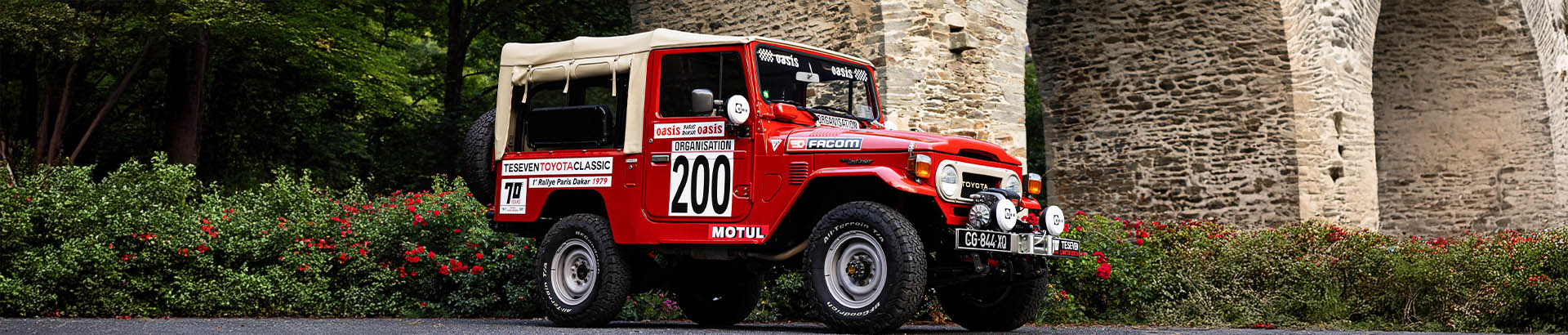
On his return to France, Sabine met fashion model Diane Thierry-Mieg, whom he would marry in November, 1977. At the same time, the former journalist turned event promoter and race organiser (the Le Touquet motorcycle beach races being one of his creations) was putting the pieces together for the first Paris-Dakar. His new wife assisted with this, providing funds raised from her modelling to purchase a new Toyota LandCruiser BJ43 SWB. This vehicle would scout the route and time the competitors, as well as providing assistance for those in trouble. Assistance back then was limited to some fuel or water to get riders and drivers to the next fuel stop or overnight bivouac.
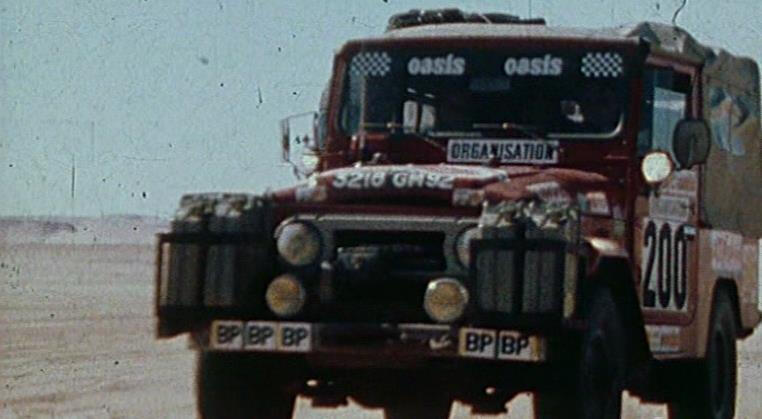
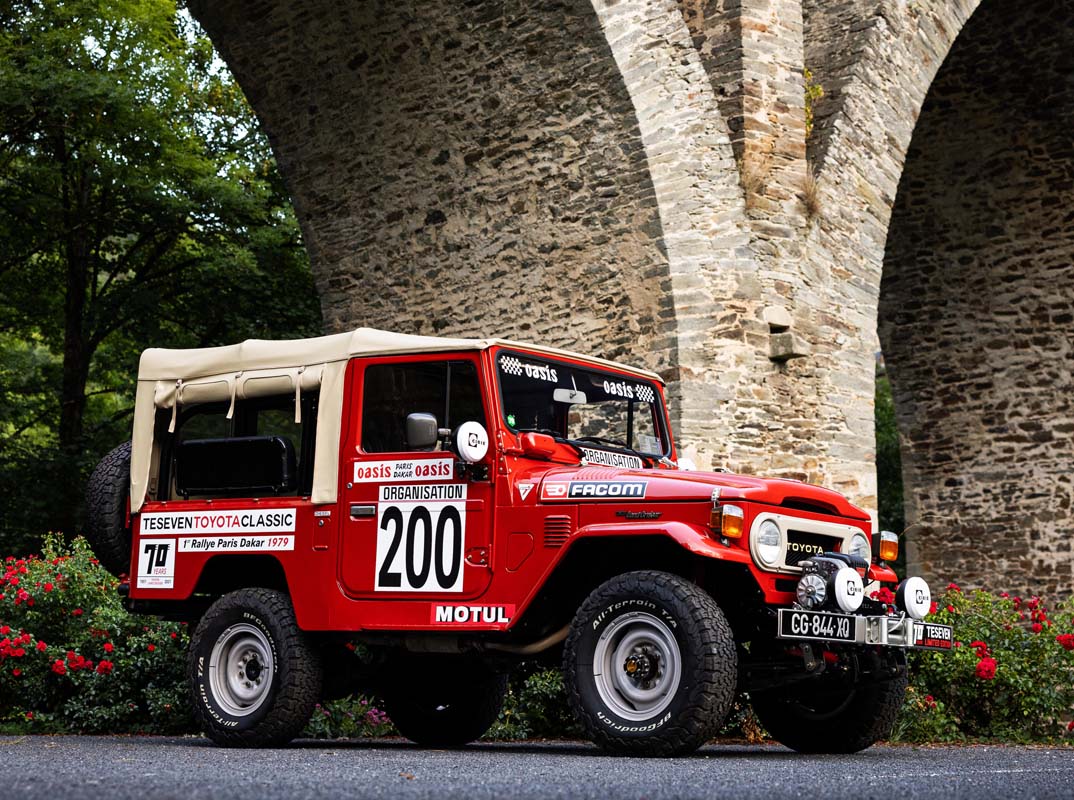
The BJ43 remained in stock condition mechanically, including its 3.0-litre four-cylinder diesel engine, four-speed manual transmission with a two-speed transfer case, and selectable four-wheel drive that required the front hubs to be locked manually.
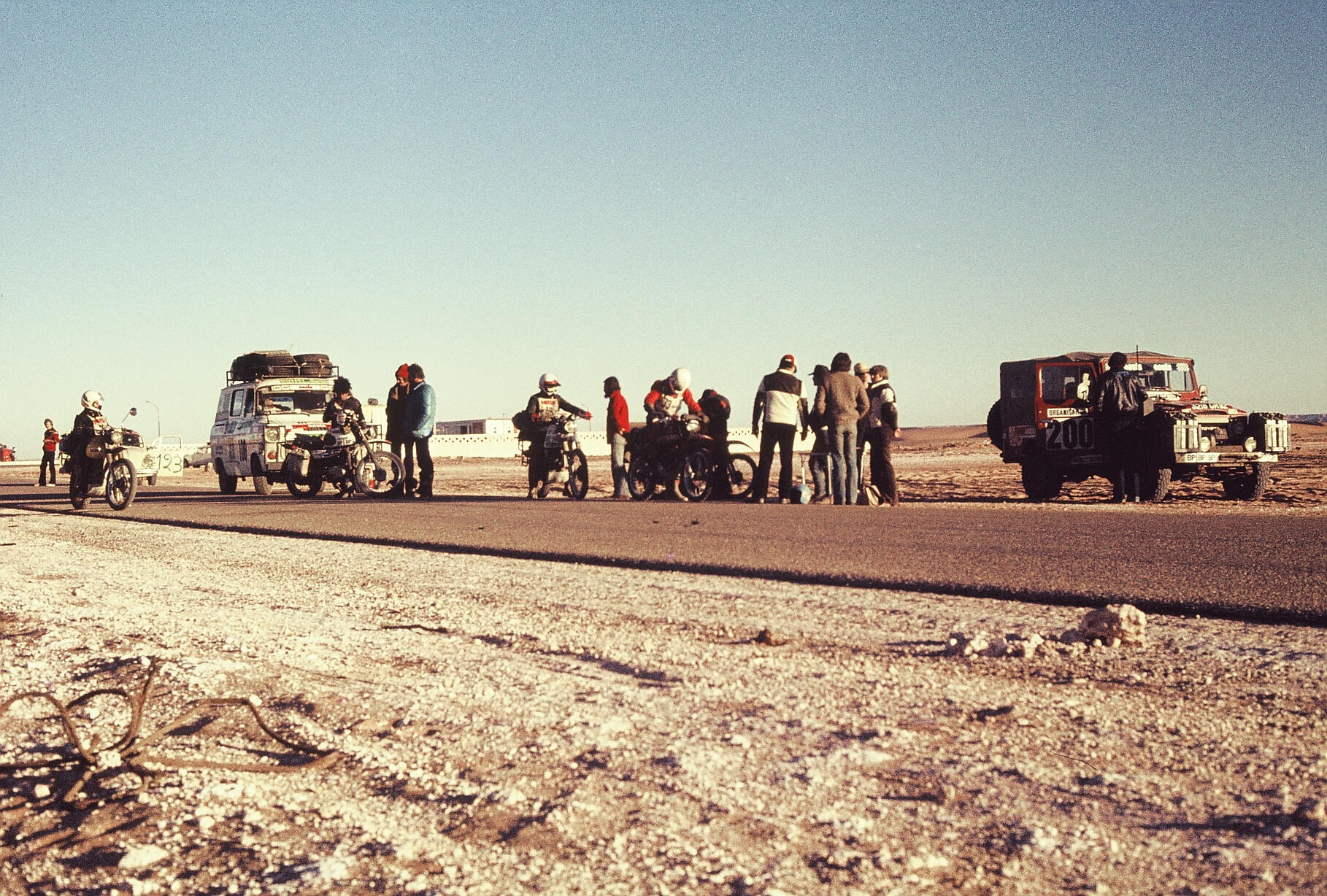
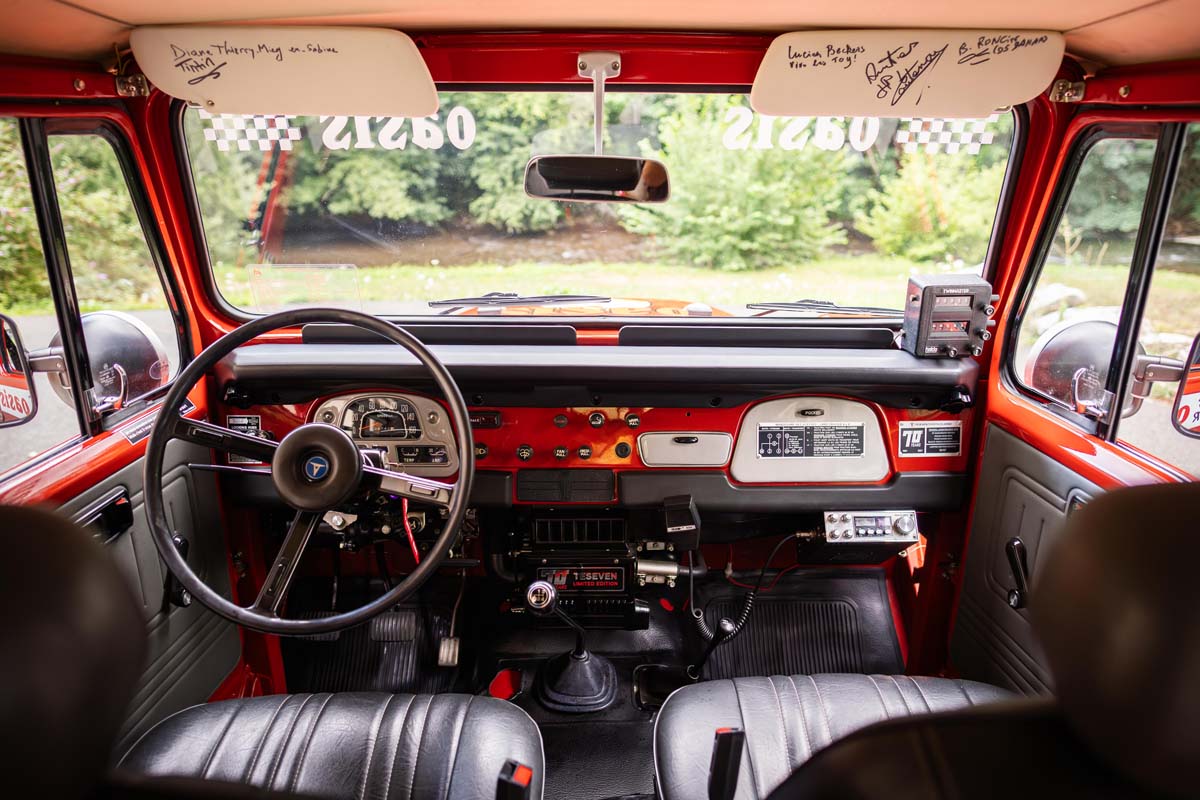
Sabine’s add-ons included brackets on the front bumper to carry four jerrycans, with dual spare wheels mounted at the back. In the cabin, a tripmeter and CB radio completed the custom fitout, with Thierry-Mieg recalling: "I did the whole of the first Paris-Dakar sitting on a crate between two seats".
In this form, the 1979-model LandCruiser BJ43, #200, completed the inaugural Paris-Dakar without incident, despite running far longer and covering more miles each day than any of the actual competitors.
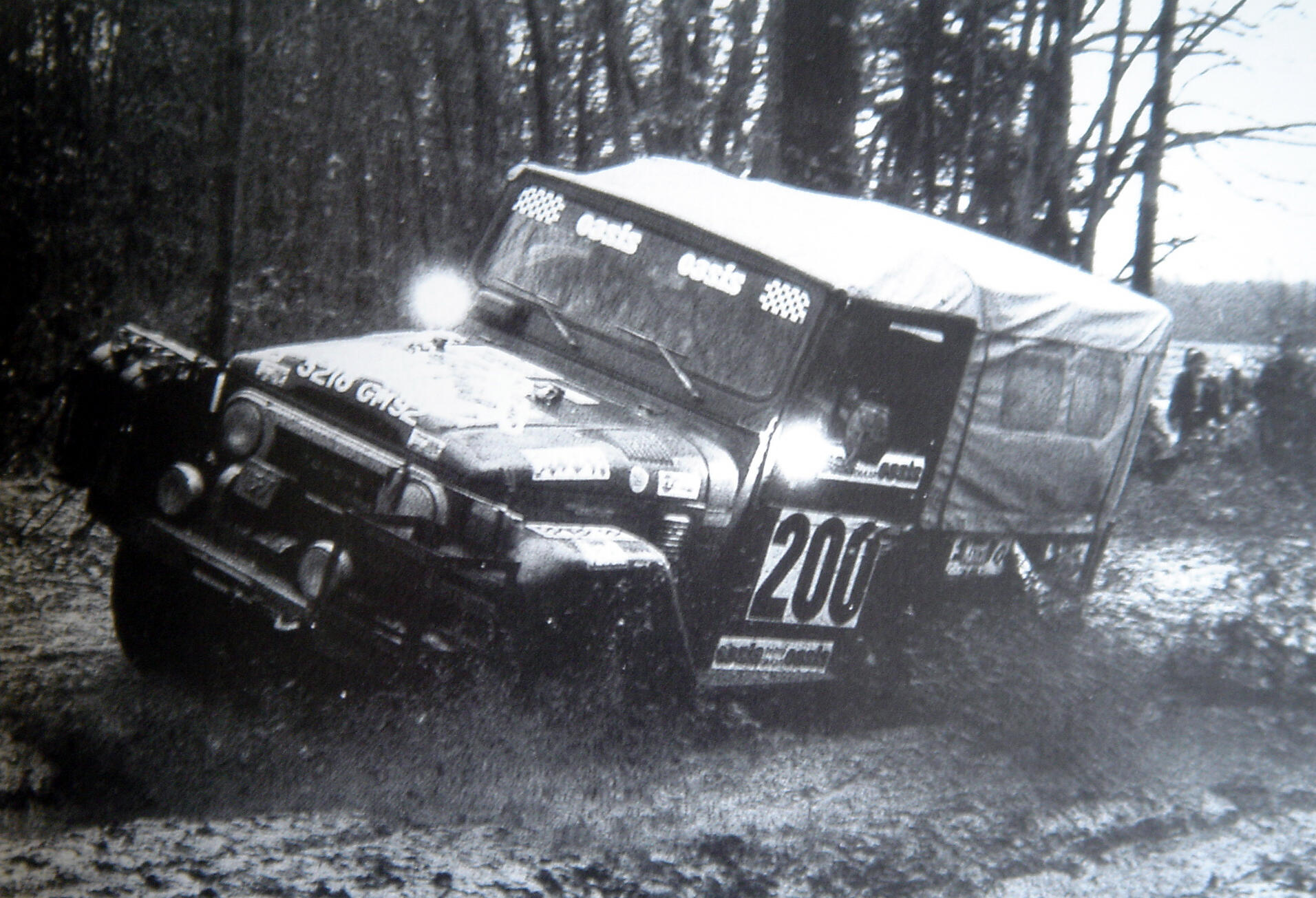
Put out to Pasture, then Rediscovered
For the second Paris-Dakar in 1980, Sabine and Thierry-Mieg’s LandCruiser saw service again, performing a similar reconnaissance and timing role as it had a year earlier. Again, the Toyota didn’t miss a beat, but as the event expanded (entry numbers more than doubled between 1979 and 1982), a lone Toyota and an enthusiast group of friends weren’t enough to manage the rally raid’s growth. The LandCruiser was sold to a friend of Sabine, who used it for various duties in the French countryside, where it remained for more than three decades.
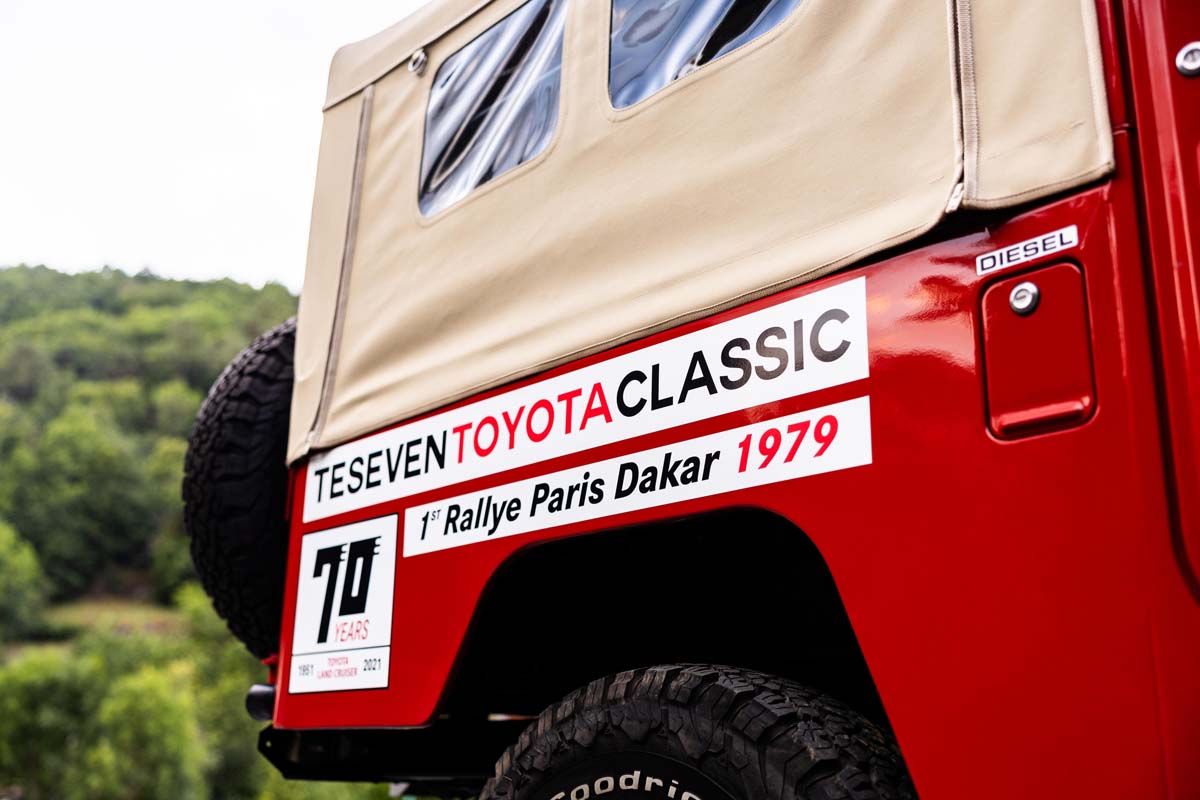
Sometime in the 2010s, this historically significant BJ43 was discovered by Teseven Toyota Classic. Based in France, Teseven specialise in the restoration of classic LandCruisers and are actually recommended by Toyota for those looking to bring an early LandCruiser back to life. Teseven’s expertise covers the 40, 50 and 60 Series models, across all factory body styles and powertrains.
To use the term ‘restoration’ is selling Teseven short, as it’s more accurate to say they remanufacture these classics. This includes fabricating new body panels, along with rebuilding engines, rewiring electrics and creating new interior trims.
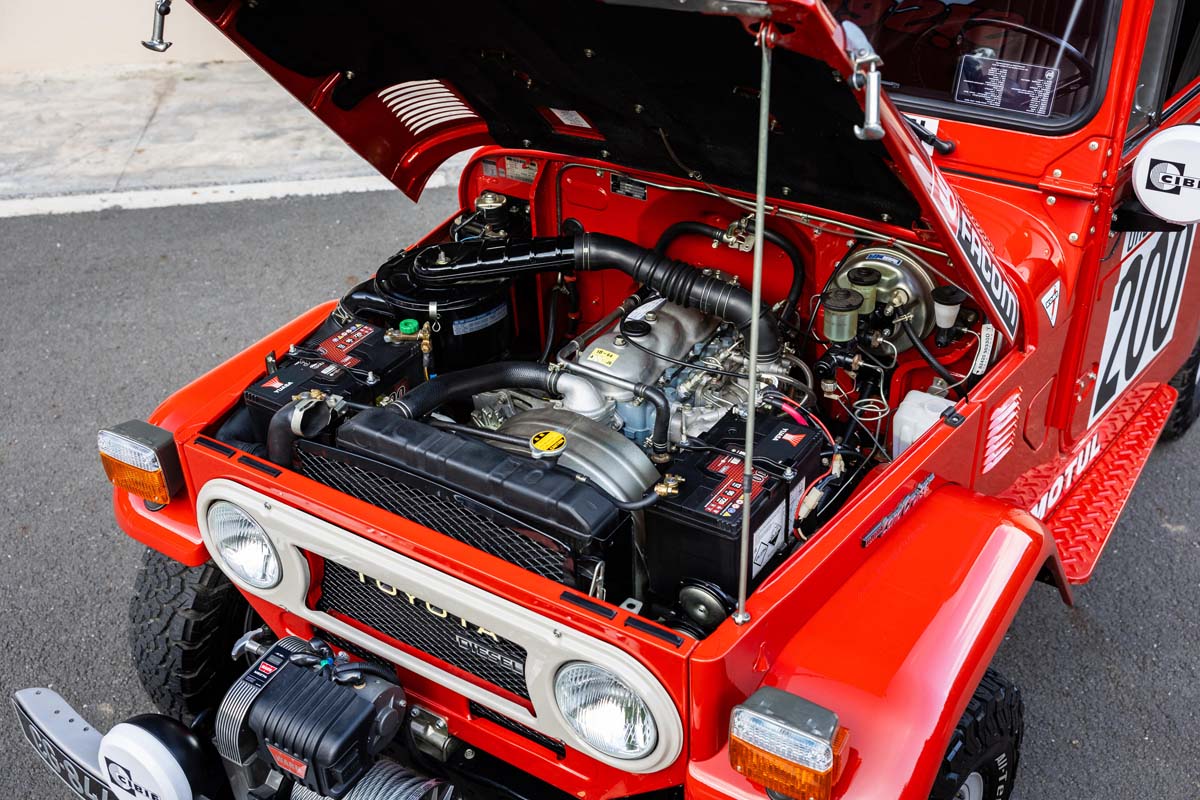
In some cases, 80 per cent of a Teseven LandCruiser is entirely new, but you wouldn’t know it to look at the finished article. While some of their creations have dipped into ‘restomod’ territory, with upgraded engines, improved electrics, more comfortable interiors and modern add-ons, most remain faithful in appearance and spec to how Toyota built them decades ago.
The work doesn’t come cheap, though, with each build costing a six-figure sum (in Euros) that varies depending on the condition of the donor vehicle and the level of personalisation requested by the customer.
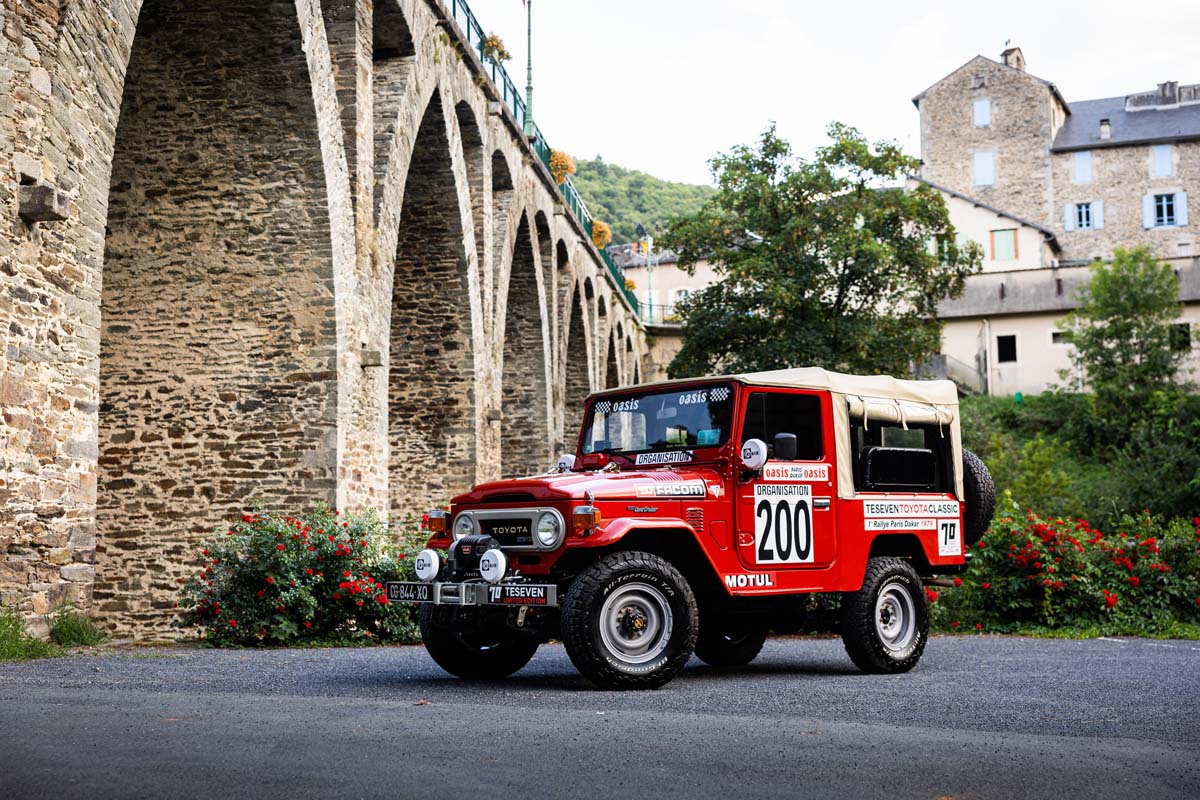
Revived, Remastered
In the case of the Sabine/Thierry-Mieg Dakar LandCruiser, its condition when it came to Teseven Toyota Classic’s workshop in the south-western French town of Vabre is unrecorded. However, French weather can be just as wet and miserable as English. Some of the past Teseven builds confirm this, with severely rusted bodywork, so it would be safe to assume rust had taken hold of the ex-Dakar LandCruiser, too, despite those early sojourns in the bone-dry Sahara.
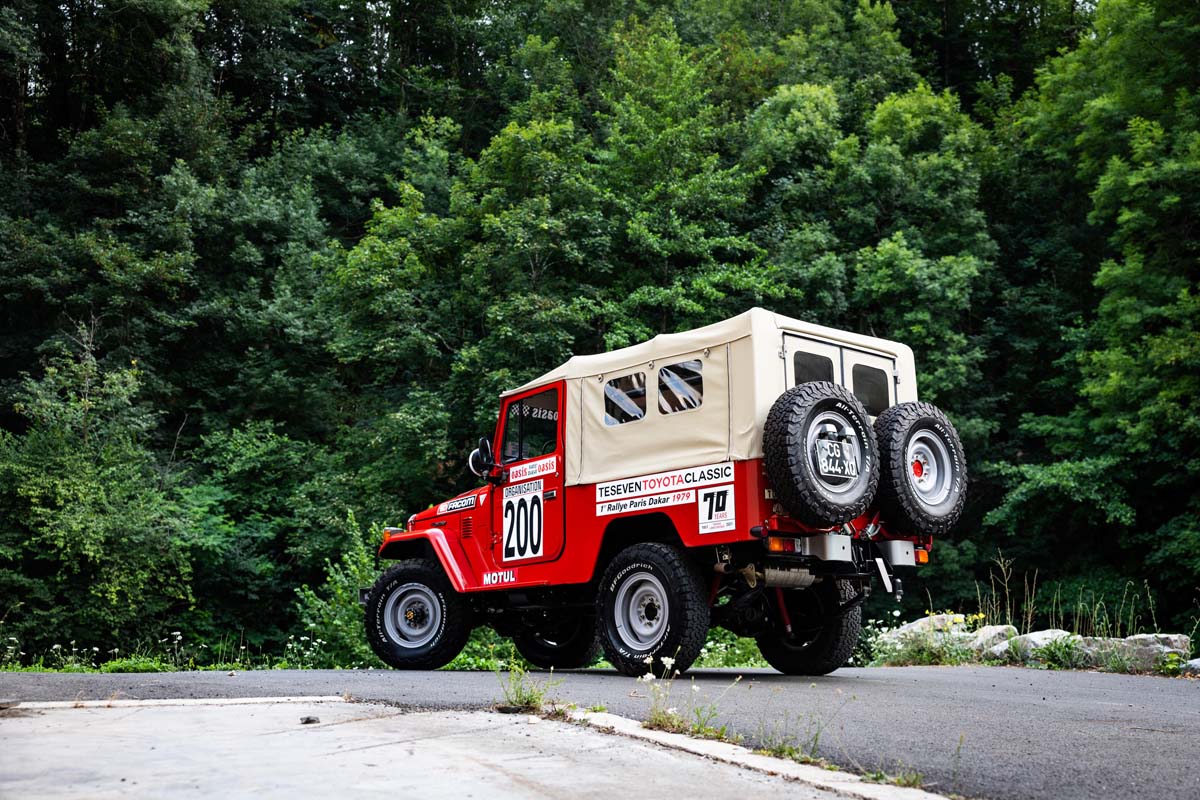
According to Bonhams, who recently auctioned this LandCruiser, Teseven spent 450 hours on the rebuild. The vehicle was completely dismantled and each part restored to its original state, while specific features added by Sabine back in 1978 were sourced and fitted, too. Those period extras included an authentic Halda ‘Twinmaster’ mechanical tripmeter, a ‘President Valery’ CB and Toyota-specific jerrycans.
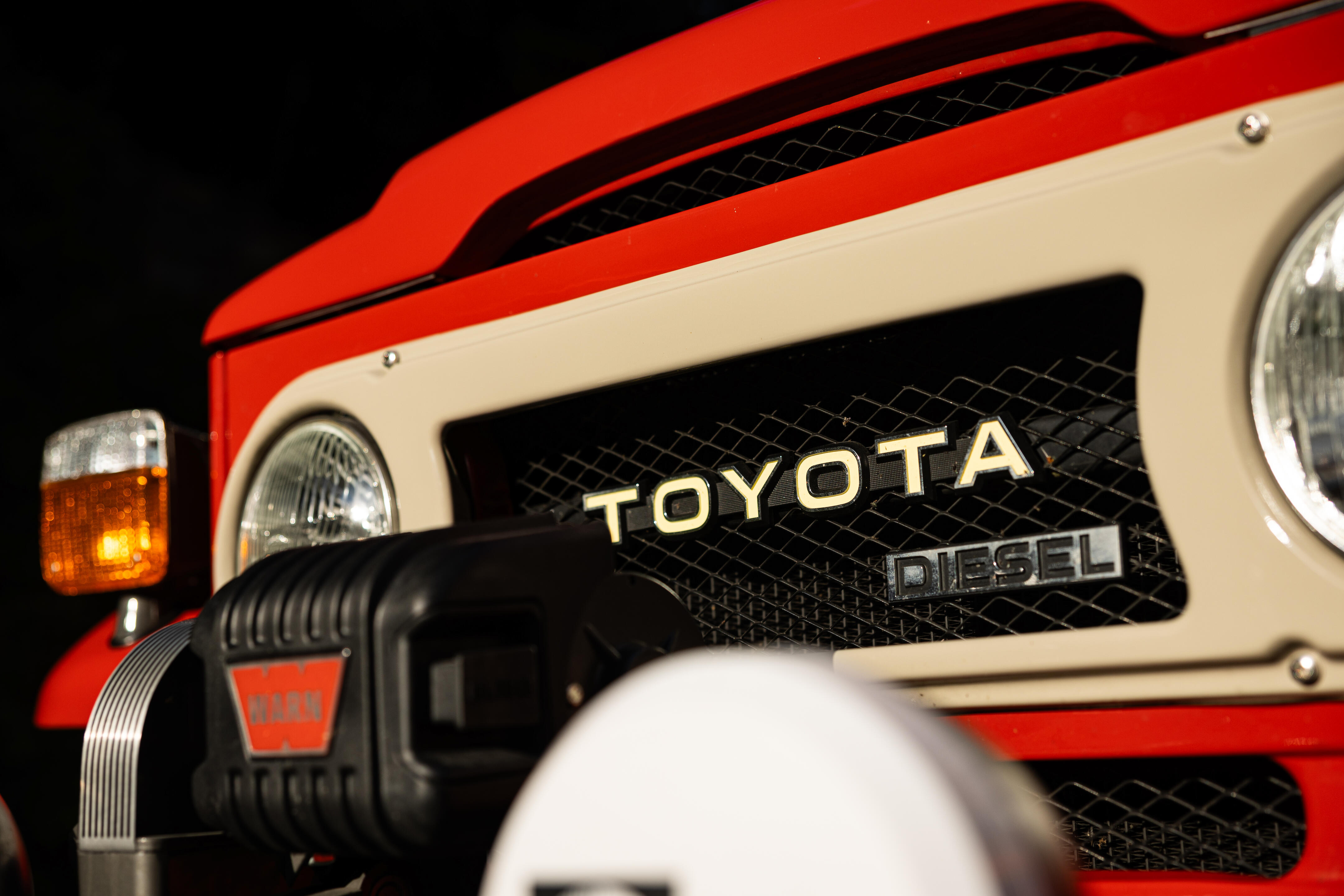
Improvements added along the way included a Warn 12-volt electric winch, electric power steering, Cibié long-range headlights, Koni shock absorbers, a stainless-steel exhaust and six new BF Goodrich tyres. Recreating the decals and livery from the 1979 Paris-Dakar completed the job.
Following its rebuild, this LandCruiser was displayed at the 2024 edition of France’s massive Rétromobile classic car show, after which Diane Thierry-Mieg was re-united with it for the Route des Légendes rally. This rally for classic cars and bikes covers around 900km over three days, mostly on tarmac and gravel roads from Versailles to Sète on the Mediterranean coast, so it’s much more leisurely than the Paris-Dakar!
To Auction
Consigned with Bonhams for their ‘Zoute Sale’ in Knokke-Heist, Belgium, on 12 October, this fully-restored LandCruiser with significant history carried a pre-auction guiding range of 100,000 – 150,000 Euros (AU$143,000 to $215,000 approx.). This estimate proved accurate, as the vehicle sold for 115,000 Euros (AU$164,795 approx.), including buyer’s premium. This is on par with previous Teseven LandCruiser restorations that have also sold for in excess of 100,000 Euros.
For more details on this vehicle and others auctioned at the Zoute Sale, go to:


