

Cape York, the Simpson Desert and Canning Stock Route are areas that serious off-roaders are tackling with increasing frequency. But just because more people are travelling to these remote areas, it doesn’t mean their challenges should be underestimated.
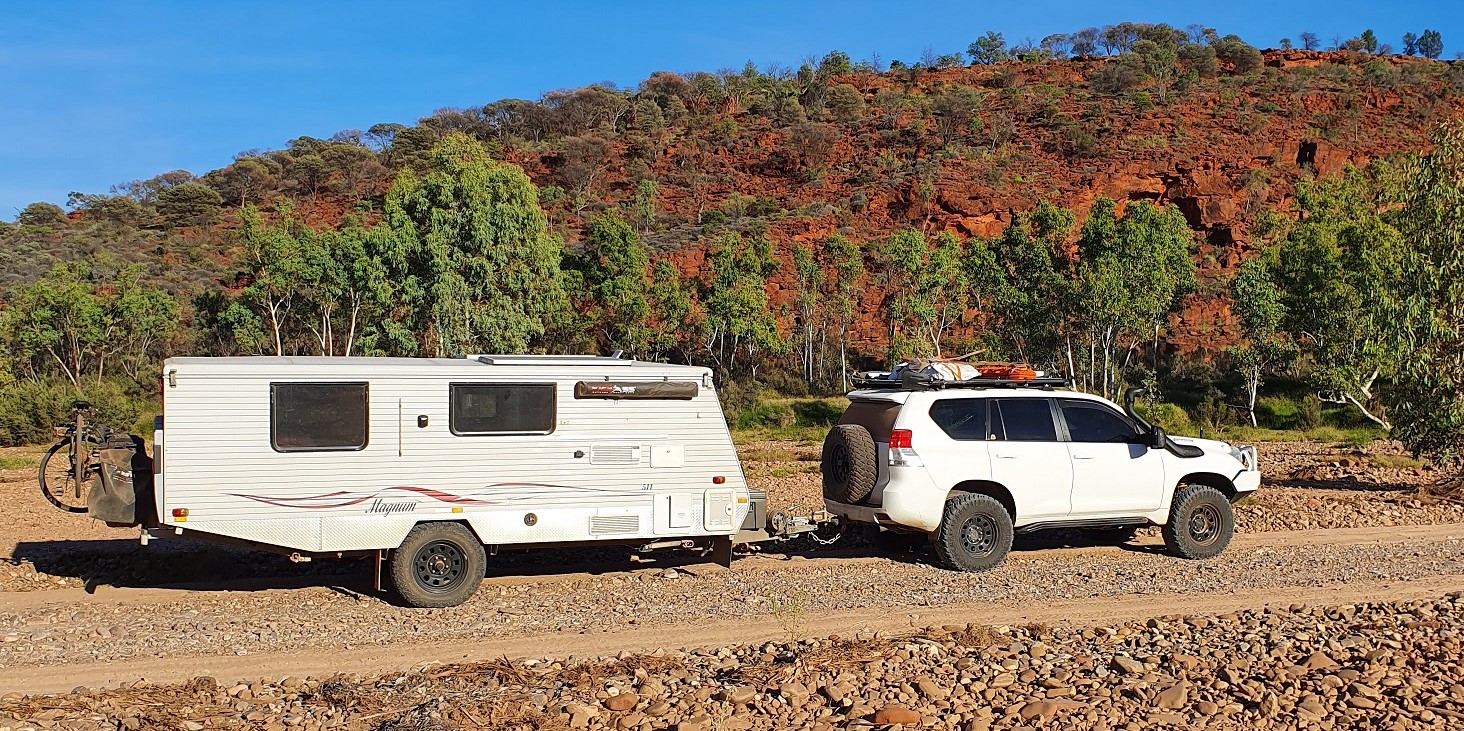
The demanding conditions that draw people to these trails and regions can take their toll on 4x4s, which will often be loaded with accessories, supplies, tools and spare parts. Hook up an off-road camper or caravan to your 4x4 and it makes it additionally challenging for brake systems.
Service First - Professionally
Prior to heading off touring in any remote area of Australia, Bendix recommends getting a thorough vehicle check by a qualified automotive workshop; preferably one with experience in four-wheel drive preparation. A complete brake system refresh is also advised. This should include new brake pads and disc rotors (or brake shoes in the case of four-wheel drives with rear drums), and a brake fluid change.
Brake System – Spares and Tools to Pack
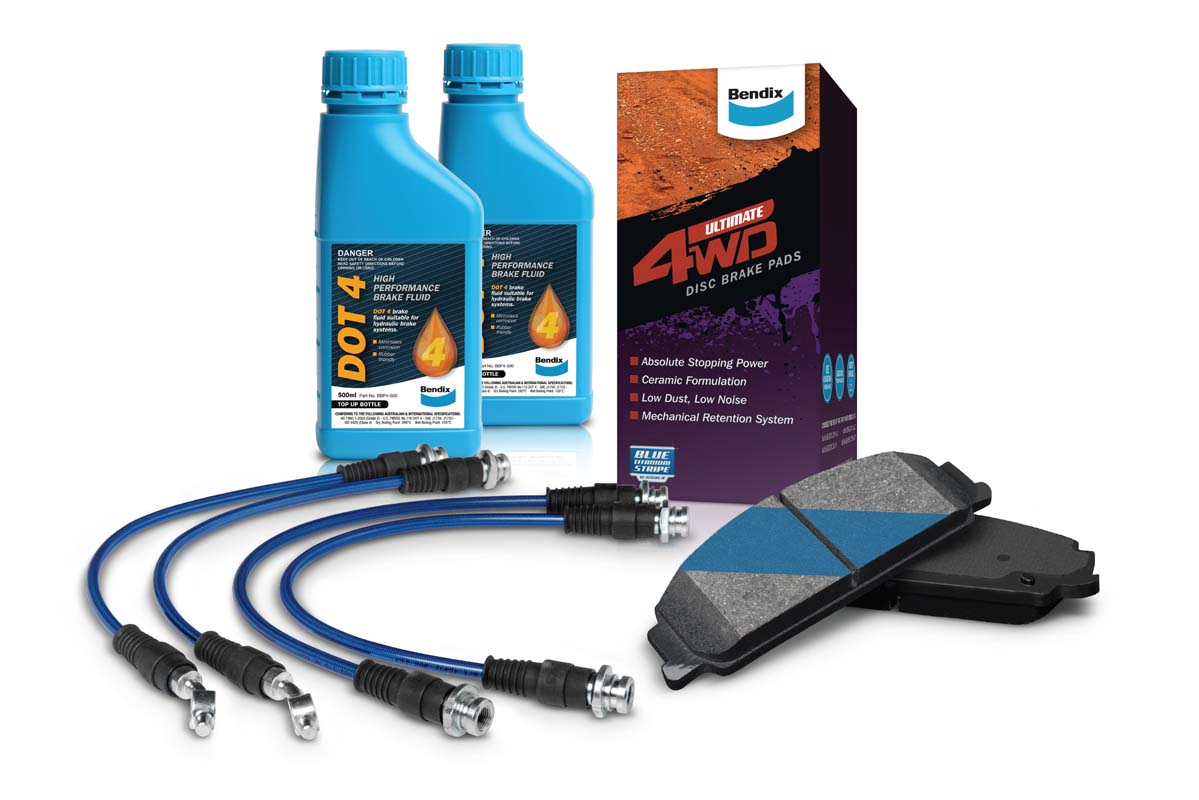
For the trip itself, Bendix advises packing spare brake pads, a litre of brake fluid and additional brake hoses, particularly if travelling through muddy areas and bog holes where obstacles that can wrench hoses loose are more difficult to see.
Also bring some tools to allow emergency brake repairs to be made.
While the specialty tools needed for braking systems are minimal, a brake piston retraction tool will make the process of compressing the piston easier when fitting new pads. Alternatively, careful leveraging using a large screwdriver and multi-grips will give the same result, albeit with a bit more effort. Depending on the brake system and its accessibility, a G-clamp can perform the same function, while also coming in handy to secure items at the campsite.
Other useful tools and equipment to consider for the brake system – and also relevant as part of a general tool kit – include a socket set, torch, pliers, multi-grips and a hammer. It’s also worthwhile having brake cleaner or degreaser on board, nitrate gloves and rags for clean-up.
Keep it Clean – Do it Often
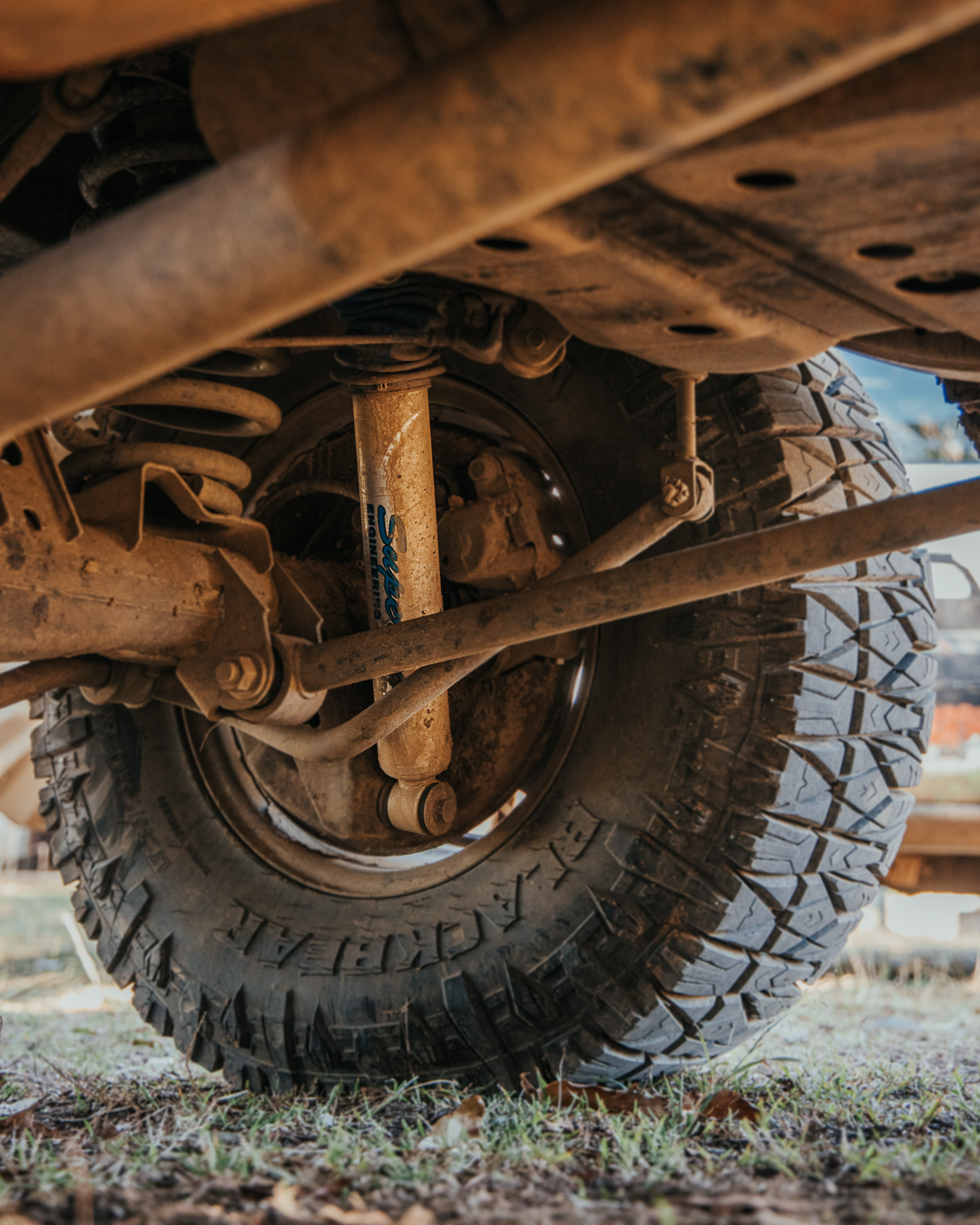
Depending on the terrain you’re travelling in, Bendix recommends you clean the braking system on both your 4x4 and caravan or camper trailer (if hauling one) regularly. Destinations such as Cape York are notorious for thick, clinging mud, which when piled on, will affect braking performance.
Access to water for cleaning can be difficult on the road, so when it’s available, a thorough underbody clean is recommended to clear any build-up of mud. There’s a more detailed article on conducting a thorough brake system clean HERE.
As with your vehicle, if you are towing an off-road van or camper, treat it to a brake system clean at the same time. While you’re at it, check all the electrical connections between the tow vehicle and trailer. In the case of electric trailer brakes, corrosion will send the system into high resistance and cause the brakes to lose their effectiveness.
Thanks to Bendix for information and images used in this article.


